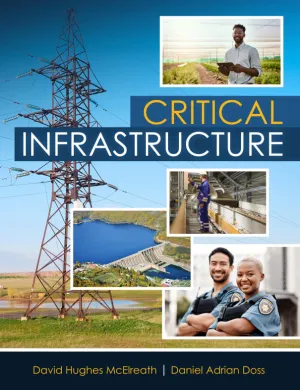
Critical infrastructure consists of the systems, assets, and networks that are essential to the functioning of society and the economy. These include sectors such as energy, transportation, telecommunications, water, healthcare, finance, and emergency services. The continuous operation of these infrastructures is vital for public safety, economic stability, and national security.
As technology advances, critical infrastructure has become increasingly interconnected and dependent on digital systems. While this connectivity improves efficiency and service delivery, it also introduces new vulnerabilities to cyberattacks, system failures, and other disruptions. Natural disasters, human error, and malicious activities can significantly impact infrastructure operations, leading to widespread social and economic consequences.
Protecting critical infrastructure requires a comprehensive approach that combines physical security, cybersecurity, risk management, and resilience planning. Collaboration among governments, private organizations, and stakeholders is essential to ensure these systems can withstand, respond to, and recover from disruptions. Safeguarding critical infrastructure remains a key priority for maintaining modern society’s stability and prosperity.